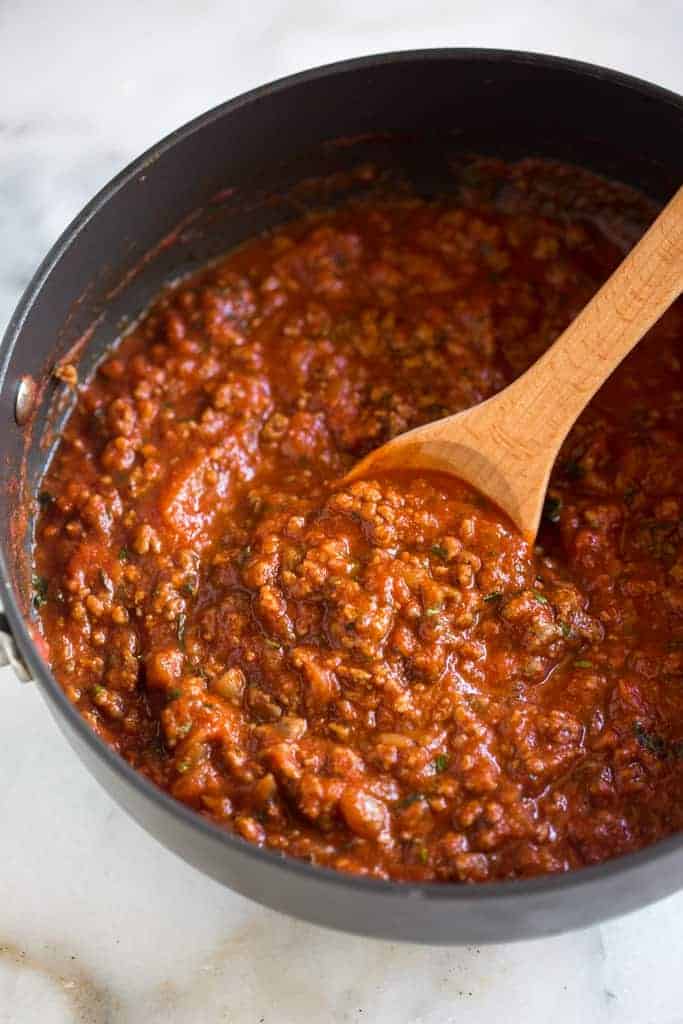
Customize Your Spaghetti Sauce: Meat, Veggie, & Flavor Twists
There’s a special kind of comfort that comes from a simmering pot of homemade spaghetti sauce on the stove. It’s a scent that promises warmth, satisfaction, and a meal that appeals to nearly everyone, from the pickiest eaters to the most seasoned foodies. While a classic
spaghetti sauce recipe is a timeless staple, its true magic lies in its incredible versatility. Far from being a rigid formula, a great spaghetti sauce is a canvas, ready for you to personalize with your favorite meats, vibrant vegetables, and aromatic spices.
Making a large batch of homemade spaghetti sauce isn't just about crafting a delicious meal for tonight; it's an investment in future convenience. Imagine having freezer-ready portions that transform into quick weeknight dinners, last-minute lasagna fillings, or even a gourmet topping for baked potatoes or squash. This article will guide you through transforming a basic spaghetti sauce into your signature dish, packed with flavor and tailored to your preferences.
The Foundational Flavors: Understanding Your Sauce Base
Before we dive into customization, it's helpful to understand what truly defines a "spaghetti sauce" and its key components. Many tomato-based sauces exist, each with its own character. For a deeper dive into these distinctions, check out our guide on
Spaghetti vs. Marinara vs. Bolognese: Understand Your Sauce.
Generally speaking:
- Marinara Sauce: This is often the simplest, featuring crushed tomatoes, garlic, basil, salt, and pepper. It's light, fresh, and highlights the pure tomato flavor.
- Spaghetti Sauce: More complex and robust than marinara, a traditional spaghetti sauce typically incorporates onions, a wider array of spices, and often includes ground meat like beef or sausage. It’s richer and heartier, designed to cling beautifully to pasta.
- Bolognese Sauce: Hailing from Bologna, Italy, this is a meat-heavy sauce (ragù) that often includes a sofrito of carrots and celery, sometimes wine, milk or cream, and a touch of bacon or pancetta for depth.
For our customizable spaghetti sauce, we're focusing on the "spaghetti sauce" category – that wonderfully complex and satisfying concoction that makes a meal feel complete.
Choosing Your Tomatoes: The Soul of Your Sauce
The type of tomatoes you use profoundly impacts your sauce's flavor profile. While any canned tomatoes will work in a pinch, for the best results, reach for San Marzano tomatoes. These prized plum tomatoes, often clearly labeled, are renowned for their:
- Sweeter Flavor: They have a naturally higher sugar content.
- Deeper Color: A rich, vibrant red that translates to your sauce.
- Less Acidity: This creates a smoother, more balanced taste, reducing the need for added sugar.
If you can only find whole canned tomatoes, simply crush them by hand before adding them to your pot. If San Marzano aren't available, don't fret! Many high-quality crushed or diced tomatoes will suffice. Should your chosen tomatoes taste a bit acidic, a small pinch of white sugar can help balance the sweetness and acidity beautifully. For an interesting twist, consider fire-roasted diced tomatoes for a smoky undertone that adds another layer of complexity to your
spaghetti sauce recipe.
Tailoring Your Sauce: Meat and Vegetarian Variations
One of the most exciting aspects of making your own spaghetti sauce is deciding on the star protein – or opting for a delicious vegetarian alternative. This choice can dramatically change the texture and flavor of your finished dish.
Hearty Meat Options
Our classic
spaghetti sauce recipe often starts with ground beef, but don't feel limited. Experimenting with different meats can open up a world of new flavors:
- Ground Beef: A perennial favorite. You can use any fat content, as excess grease can be drained off after browning, making it a flexible choice for a rich sauce. Brown it well to develop deep, savory notes before adding other ingredients.
- Italian Sausage: For an instant boost of robust flavor and a hint of spice, try using half ground beef and half ground Italian sausage (mild or hot, depending on your preference). The fennel and other spices in the sausage infuse the entire sauce.
- Ground Turkey: A leaner, healthier alternative. While it cooks similarly to ground beef, turkey benefits from a little extra seasoning to ensure your sauce doesn't taste bland. Consider adding a dash of smoked paprika or a bit more garlic and onion.
- Meatballs: Some prefer to omit ground meat in the sauce entirely and top their pasta with homemade or store-bought meatballs. You can even simmer the meatballs directly in the sauce during the last hour of cooking, allowing them to absorb the sauce's flavors while enriching the sauce with their own.
- Pancetta or Bacon: For a true depth of umami, sauté diced pancetta or bacon until crispy, then remove it, cook your aromatics in the rendered fat, and return the crispy bits to the sauce at the end.
Wholesome Vegetarian Alternatives
If you're aiming for a meatless meal, your spaghetti sauce can be just as satisfying and flavorful. The key is to add ingredients that provide the "umami" and heartiness often associated with meat.
- Mushrooms: Sliced mushrooms are an excellent substitute. Sauté fresh mushrooms with your onions until they release their juices and soften, creating a rich, earthy base. For a super quick fix, add two (6-ounce) cans of drained sliced mushrooms when you add your tomato sauce – they'll absorb the flavors beautifully.
- Lentils: Cooked brown or green lentils can add a fantastic, hearty texture and a good source of protein to your sauce, making it incredibly satisfying.
- Bell Peppers and Zucchini: Diced bell peppers (especially red and yellow for sweetness) and zucchini can be sautéed with your onions, adding vibrant color, texture, and a fresh taste.
- Eggplant: Roasted or sautéed diced eggplant can add a wonderful, meaty texture and absorb the sauce's flavors, making for a truly robust vegetarian spaghetti sauce recipe.
Elevating Your Sauce: Advanced Flavor Twists and Serving Suggestions
Beyond the core ingredients, a few well-placed additions and techniques can transform a good spaghetti sauce into an unforgettable one. These "secret ingredients" often come from generations of home cooks perfecting their
spaghetti sauce recipe.
Spice It Up (or Mellow It Out)
The spice rack is your playground:
- Italian Seasoning: A convenient blend of common Italian herbs.
- Individual Herbs: Don't be afraid to add extra dried oregano, basil, thyme, or even a pinch of marjoram. Fresh herbs, especially basil and parsley, added at the very end, brighten the flavor immensely.
- Fennel Seeds: A pinch of crushed fennel seeds (often found in Italian sausage) lends a subtle anise-like sweetness that complements tomato-based sauces beautifully.
- Red Pepper Flakes: For those who love a bit of heat, a pinch or two of red pepper flakes adds a pleasant warmth without overwhelming the other flavors.
- Bay Leaves: Add a bay leaf (or two) to simmer with the sauce, removing it before serving. It imparts a subtle, savory depth.
- Nutmeg: A tiny grating of fresh nutmeg can surprisingly enhance the natural sweetness of tomatoes and add complexity without being detectable as "nutmeg."
Balance and Depth
Achieving the perfect balance of flavors is key:
- Balsamic Vinegar: A splash of good quality balsamic vinegar, stirred in after the sauce has fully cooked, can perfectly marry and deepen the final flavors, adding a touch of sophisticated tang.
- Red Wine: Deglazing the pan with a splash of dry red wine (like Merlot or Cabernet Sauvignon) after browning your meat and sautéing your onions adds incredible depth and complexity as it reduces.
- Tomato Paste: Caramelizing a tablespoon or two of tomato paste with your aromatics before adding the crushed tomatoes dramatically enhances the umami and richness.
- Parmesan Rind: Don't toss those parmesan rinds! Simmer one or two in your sauce as it cooks. They slowly melt and release incredible savory, cheesy flavor. Remember to remove them before serving.
- A Pinch of Sugar: As mentioned, if your tomatoes are particularly acidic, a small amount of sugar (white or brown) can balance the flavors.
Serving Suggestions Beyond Spaghetti
While delicious over a mountain of spaghetti, this versatile sauce has many lives:
- Lasagna or Baked Ziti: The ultimate comfort food application.
- Stuffed Shells or Manicotti: A hearty and satisfying dish.
- Pizza Sauce: A quick and easy pizza base on toasted baguettes, English muffins, or store-bought crusts with melted cheese.
- Polenta: Ladle over creamy polenta for a rustic, Italian-inspired meal.
- Chicken or Eggplant Parmesan: The perfect companion for crispy, breaded cutlets.
- Dipping Sauce: Serve warm with crusty bread or garlic knots.
- Baked Eggs: Create wells in simmering sauce, crack in eggs, and bake until set for a delicious brunch or dinner.
Crafting Your Signature Spaghetti Sauce
The beauty of a homemade spaghetti sauce recipe lies in its adaptability. It’s more than just a meal; it’s an expression of your culinary preferences, a taste of home, and a legacy to pass down. By understanding the foundational elements and experimenting with different meats, vegetables, and flavor enhancers, you can move beyond a basic recipe to create a sauce that truly speaks to you. Make a large batch, freeze it for those busy weeknights, and enjoy the comforting satisfaction of a personalized, perfect spaghetti sauce. So go ahead, unleash your inner chef, and create a family favorite that will be cherished for years to come!