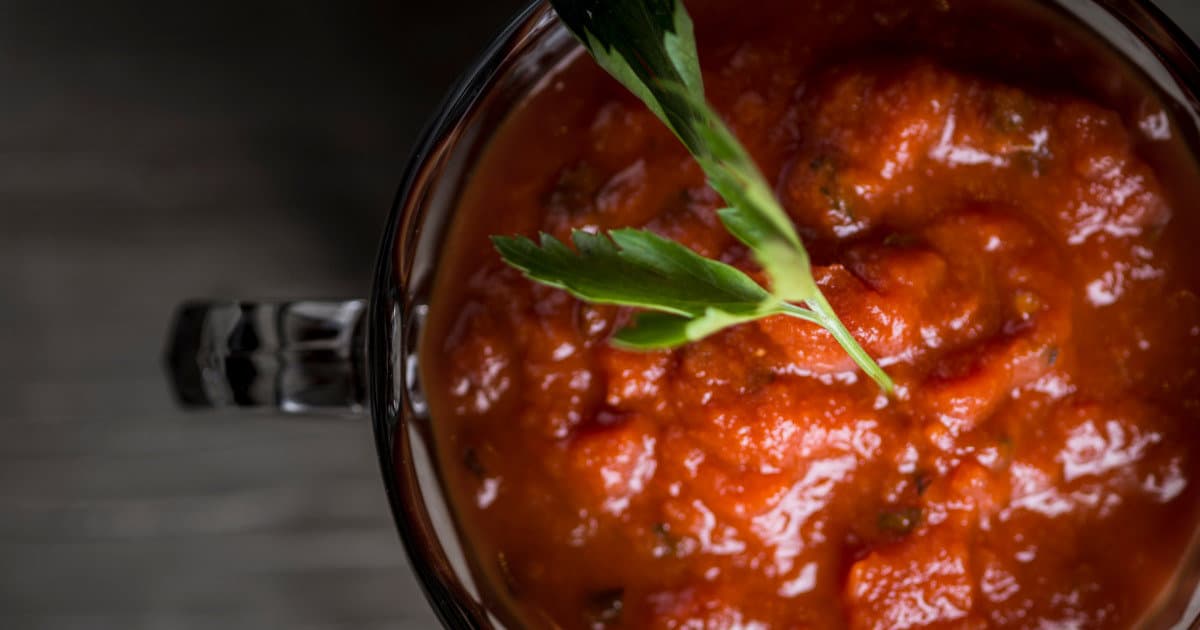
There’s something undeniably comforting and universally loved about a classic bowl of spaghetti topped with a rich, savory sauce. While store-bought options are convenient, nothing quite compares to the depth of flavor and heartwarming aroma of a homemade spaghetti sauce recipe. It’s a dish that transcends generations, bringing families together around the dinner table, and for good reason. This isn't just about food; it's about creating an experience, a memory, and a meal that satisfies both body and soul.
Making your own spaghetti sauce from scratch might sound daunting, but it's surprisingly straightforward and incredibly rewarding. A large batch can provide multiple quick and easy meals, whether served over your favorite pasta, layered into a lasagna, or even spread on toasted baguettes for a speedy pizza. Dive in with us as we explore the secrets to crafting the ultimate homemade spaghetti sauce, ensuring every bite is a taste of perfection.
Marinara, Spaghetti, or Bolognese: Understanding Your Sauce
Before we dive into the specifics of an excellent homemade spaghetti sauce recipe, it’s helpful to understand the landscape of tomato-based sauces. While they all complement pasta beautifully, each has its distinct characteristics. Knowing these differences will not only broaden your culinary horizons but also help you appreciate the unique profile of a true homemade spaghetti sauce.
- Marinara Sauce: Often the simplest of the trio, marinara typically features crushed tomatoes brightened with garlic, basil, salt, and pepper. It’s a lighter, fresher sauce that cooks relatively quickly, perfect when you want the pure taste of tomato to shine.
- Spaghetti Sauce: This is where things get more complex and robust. A traditional spaghetti sauce builds layers of flavor using aromatics like onions, a medley of spices, and often includes ground meat like beef or sausage. It’s richer, heartier, and typically benefits from a longer simmer to allow all the flavors to meld beautifully. Our focus today is on mastering this incredibly satisfying type of sauce.
- Bolognese Sauce: Hailing from Bologna, Italy, Bolognese takes complexity even further. It often incorporates a soffritto of carrots, celery, and onions, multiple types of meat (pancetta, beef, pork), and is frequently enriched with wine, milk or cream, and sometimes a touch of tomato paste rather than a large volume of crushed tomatoes. It’s a thick, luxurious meat-based sauce designed for wider, flatter pastas like tagliatelle.
Understanding these distinctions helps clarify why a true spaghetti sauce recipe offers such a deep, comforting experience compared to its simpler counterparts. It’s designed for hearty satisfaction and complex flavor development.
The Foundation: Choosing the Perfect Tomatoes for Your Spaghetti Sauce
The heart of any exceptional spaghetti sauce is, undoubtedly, the tomatoes. The quality and type of tomato you choose will significantly impact the final flavor profile of your dish. Don't underestimate this crucial decision!
Why San Marzano Tomatoes Reign Supreme
When it comes to canned tomatoes for sauce, San Marzano tomatoes are widely considered the gold standard by chefs and home cooks alike. These plum tomatoes, grown in the Agro Sarnese-Nocerino region of Italy, boast several key advantages:
- Sweeter Flavor: They are naturally sweeter than many other varieties, reducing the need for added sugar.
- Deeper Flavor Profile: San Marzanos offer a more intense, "tomatoey" taste that translates beautifully into a rich sauce.
- Lower Acidity: Their balanced acidity contributes to a smoother, less harsh sauce.
- Fewer Seeds and Thicker Flesh: This means less waste and more concentrated tomato goodness.
You’ll typically find San Marzano tomatoes clearly labeled in grocery stores, often in distinctive red and white cans. If you can only find whole San Marzano tomatoes, simply crush them with your hands (a surprisingly therapeutic step!) or pulse them briefly in a food processor before adding them to your sauce. This ensures a consistent texture without sacrificing flavor.
Alternative Tomato Choices and Acidity Balance
While San Marzanos are preferred, they aren't always available or within every budget. Don't despair! You can still make a fantastic homemade spaghetti sauce with other quality canned tomatoes:
- Crushed Tomatoes: A good quality brand of crushed tomatoes can be an excellent substitute. Look for those with minimal added ingredients.
- Diced Tomatoes: If you prefer a chunkier sauce, diced tomatoes work well. Just be aware their firmer texture might require a longer simmer to break down.
- Whole Peeled Tomatoes: Similar to whole San Marzanos, these can be crushed by hand or blended. They offer great flexibility.
If you opt for a variety other than San Marzano, or if your tomatoes taste a bit too tart, a pinch of white sugar is your secret weapon. Adding just a small amount (start with half a teaspoon) helps to balance the acidity and enhance the natural sweetness of the tomatoes, resulting in a more mellow and well-rounded flavor. This simple trick can elevate any spaghetti sauce recipe.
Crafting the Hearty Core: Meat and Veggie Options for Your Spaghetti Sauce
A truly satisfying spaghetti sauce often features a hearty protein, contributing significant flavor and substance. While ground beef is a classic choice, the beauty of a homemade spaghetti sauce recipe is its adaptability. You have the freedom to customize the protein to suit your taste, dietary preferences, or what you simply have on hand.
The Classic: Ground Beef and Its Variations
Our traditional spaghetti sauce often calls for ground beef, and for good reason. It provides a rich, savory foundation. When cooking ground beef for sauce:
- Fat Content: Don't be overly concerned with choosing the leanest ground beef. Any fat content works well, as you'll drain off the excess grease after cooking, leaving behind only the delicious browned bits and flavor. Browning the meat thoroughly before adding other ingredients is crucial for developing deep, complex notes.
- Beef & Sausage Blend: For an extra layer of savory depth and a hint of spice, try using a blend of half ground beef and half ground Italian sausage. Both mild and hot Italian sausage varieties work wonderfully, allowing you to control the heat level.
Leaner & Meatless Alternatives
If you're looking for lighter options or catering to different diets, the versatility of a spaghetti sauce recipe truly shines:
- Ground Turkey: For a leaner protein, ground turkey is an excellent substitute for ground beef. It absorbs flavors beautifully, so ensure you season it well during cooking.
- Meatball Magic: Some prefer a meat-free sauce, opting instead to top their pasta with homemade meatballs cooked separately. This allows the tomato sauce to remain purely vegetarian until serving, or you can add them directly to the sauce to simmer and absorb flavors.
- Vegetarian Powerhouse: Mushrooms: For a completely vegetarian-friendly dish that still delivers umami and a satisfying texture, swap out the meat entirely for mushrooms.
- Fresh Mushrooms: Sauté fresh, sliced mushrooms (cremini or button work great) with your onions until they release their juices and soften, then proceed with the recipe. This adds a fantastic earthy depth.
- Canned Mushrooms: For a super quick fix, drain two (6-ounce) cans of sliced mushrooms and add them to the sauce when you introduce the tomatoes. They're already cooked and just need to heat through and absorb the sauce's flavors.
Experimentation is key! Feel free to blend, substitute, or omit based on your culinary vision. For more creative ideas, check out our guide on Customize Your Spaghetti Sauce: Meat, Veggie, & Flavor Twists.
Beyond the Basics: Elevating Your Spaghetti Sauce with Flavor Twists
Once you have your core ingredients, the real fun begins: customizing your homemade spaghetti sauce to make it uniquely yours. Small additions can make a monumental difference, transforming a good sauce into an unforgettable one.
Spice and Herb Powerhouses
While oregano and basil are classic choices, don't be afraid to experiment with other aromatics and spices to perfect your spaghetti sauce recipe:
- Italian Seasoning: A pre-blended Italian seasoning mix can be a convenient and flavorful substitute for individual dried herbs like oregano, basil, and thyme. It offers a balanced, harmonious flavor profile.
- Fennel Seeds: A pinch of crushed fennel seeds (especially if you're not using Italian sausage) can impart a wonderful, subtle anise flavor that brightens the sauce and adds an authentic Italian touch.
- Red Pepper Flakes: For those who appreciate a bit of heat, a dash of red pepper flakes cooked with the aromatics will infuse the sauce with a pleasant warmth. Adjust the quantity to your preferred spice level.
- Bay Leaf: Adding a bay leaf during simmering contributes a subtle, herbaceous note that adds depth. Just remember to remove it before serving!
The Secret Ingredient: A Splash of Balsamic
Here’s a tip from the pros: a splash of balsamic vinegar added at the very end of cooking, after the sauce has fully simmered, works wonders. It doesn't make the sauce taste like vinegar; instead, it provides a crucial acidic counterpoint that perfectly blends and brightens all the flavors, adding a sophisticated tang that pulls everything together. Start with half a teaspoon, stir, taste, and add more if desired.
The Simmering Secret
True homemade spaghetti sauce is not a rush job. Allowing your sauce to simmer for at least an hour (and ideally longer – up to 2-3 hours on low heat) is paramount. This slow cooking time allows the tomatoes to break down further, the herbs and spices to fully release their essential oils, and all the flavors to marry and deepen into a rich, cohesive whole. A long simmer is what transforms individual ingredients into a symphony of taste, making it the ultimate spaghetti sauce recipe.
Serving, Storing, and Savoring Your Masterpiece
Once your ultimate homemade spaghetti sauce is ready, the possibilities are endless. Beyond classic spaghetti, it makes an incredible sauce for:
- Lasagna: A fundamental component for a truly memorable lasagna.
- Baked Ziti or Manicotti: Perfect for coating pasta and cheese.
- Sub Sandwiches: Spoon it over toasted baguettes with melted mozzarella and your favorite protein.
- Baked Potatoes or Squash: A comforting, hearty topping for simple baked vegetables.
And here's another fantastic benefit: homemade spaghetti sauce freezes beautifully. Prepare a large batch and divide it into freezer-safe containers or bags. It will keep well for up to 3-4 months, making future weeknight meals incredibly quick and easy. Simply thaw and reheat, and you'll have a delicious, comforting meal ready in minutes.
Conclusion: The Ultimate Comfort on Your Plate
Crafting your own ultimate homemade spaghetti sauce is more than just cooking; it’s an act of love and a journey into the heart of comfort food. From selecting the finest San Marzano tomatoes to customizing your protein and infusing it with aromatic spices, every step contributes to a rich, hearty, and deeply satisfying experience. This comprehensive spaghetti sauce recipe guide empowers you to create a dish that not only pleases every palate but also offers the incredible convenience of make-ahead meals. So, roll up your sleeves, embrace the aromas, and prepare to savor the unparalleled taste of your very own culinary masterpiece.
