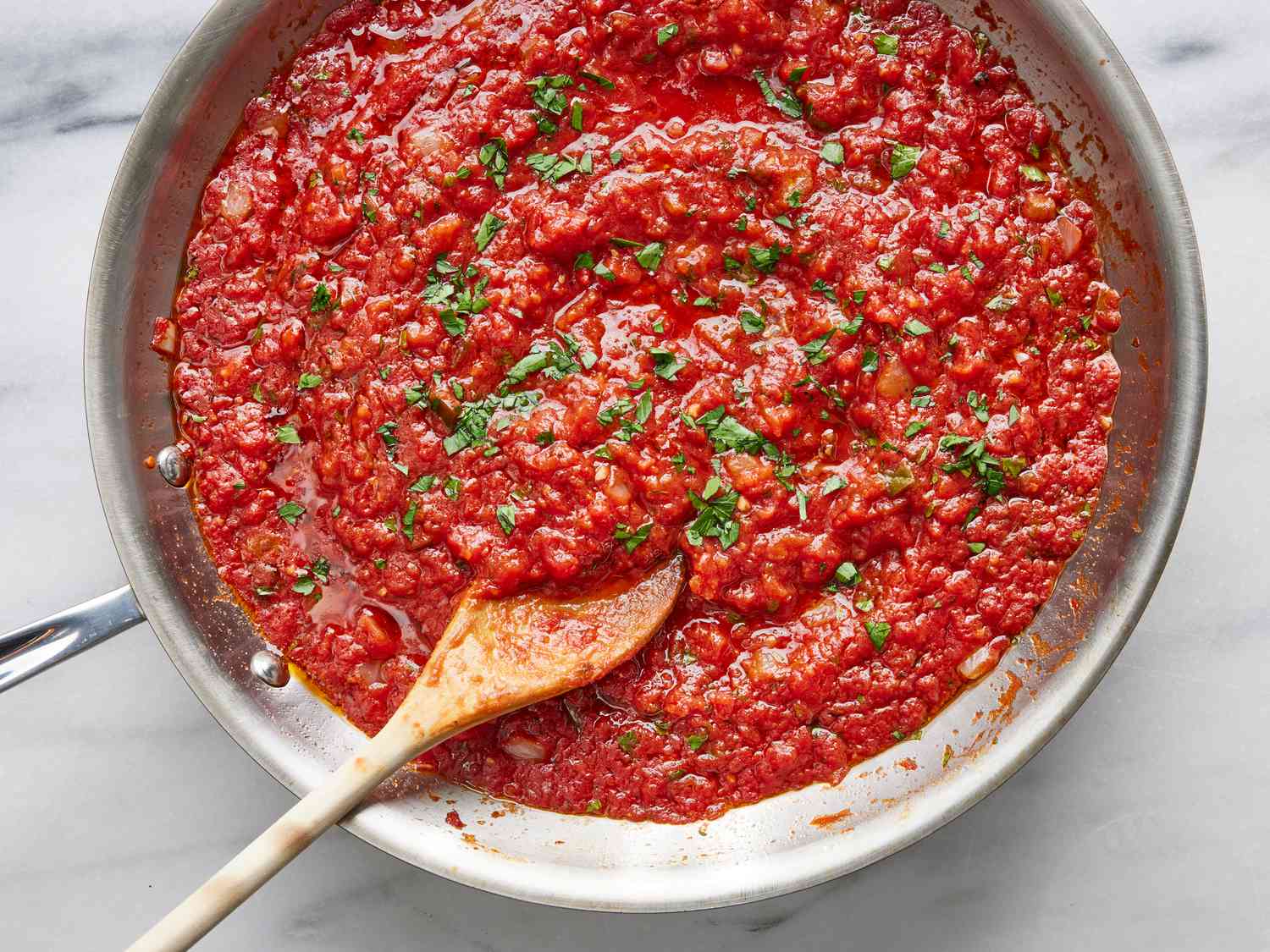
The Heart of the Home: The Appeal of Homemade Spaghetti Sauce
There's an undeniable magic in a bubbling pot of homemade sauce on the stove. The rich aroma, the promise of a hearty meal, and the sheer comfort it brings make it a staple in kitchens worldwide. A truly excellent spaghetti sauce recipe isn't just about combining ingredients; it's about crafting an experience. It’s a dish that transcends generations, bringing families together around the dinner table, appealing to both discerning adults and picky eaters alike.
Making your own spaghetti sauce from scratch offers a depth of flavor and freshness that store-bought jars simply can't match. It's the ultimate comfort food, providing warmth, heartiness, and satisfaction with every spoonful. One of its greatest advantages is its versatility. Beyond coating a generous pile of spaghetti, this luscious sauce can elevate a simple lasagna, become the base for a quick pizza on toasted baguettes, or even top baked squash or potatoes for a comforting side. Plus, it's incredibly freezer-friendly. Whip up a large batch, and you'll have quick, easy, and delicious meals ready for those busy weeknights.
Unraveling the Tomato Triumvirate: Marinara vs. Spaghetti vs. Bolognese
When it comes to tomato-based sauces, the culinary landscape offers a delicious array, each with its unique character. While all are perfect companions for pasta, pizza, or lasagna, understanding their distinct profiles is key to choosing the right sauce for the right occasion. Let's demystify the differences between Marinara, classic Spaghetti Sauce, and Bolognese.
Marinara: The Simplicity of the Sea
Marinara, derived from the Italian word for "sailor-style," is often the simplest of the trio. It’s a light, fresh, and vibrant sauce, typically made with crushed or puréed tomatoes, garlic, basil, a touch of olive oil, salt, and pepper. Its quick cooking time means the fresh, bright flavor of the tomatoes shines through. Marinara is perfect when you want the pure taste of tomato to be the star, perhaps with seafood, or as a lighter topping for pasta or pizza. It's a testament to the idea that sometimes, less is truly more.
Classic Spaghetti Sauce: The Everyday Hero
When most people think of a traditional "spaghetti sauce," they often envision a more robust and complex creation than marinara. A classic spaghetti sauce recipe typically builds layers of flavor with ingredients like sautéed onions, garlic, and a medley of herbs and spices such as oregano and basil. Crucially, it often incorporates ground meat, most commonly ground beef or Italian sausage, adding a savory depth and heartiness that transforms it into a full meal. This sauce is designed for longer simmering, allowing the flavors to meld and deepen, resulting in a rich, comforting, and incredibly satisfying experience that's perfect for a weeknight family dinner.
Bolognese: The Richness of Emilia-Romagna
Hailing from Bologna, Italy, Bolognese is arguably the most complex and luxurious of these three sauces. It's a slow-cooked, deeply savory meat-based sauce, often referred to as a ragù. While it starts with tomatoes, it typically includes a sofrito of finely diced carrots, celery, and onions, along with various meats (often a mix of beef, pork, and sometimes pancetta or bacon). A hallmark of authentic Bolognese is the addition of wine (red or white) and a touch of milk or cream, which tenderizes the meat and adds a velvety richness. Its long simmering time—often several hours—creates an unparalleled depth of umami flavor and a thick, clingy texture that pairs perfectly with broad, flat pasta like tagliatelle or pappardelle.
Crafting the Perfect Sauce: Essential Ingredients and Tips
Creating an unforgettable sauce starts with understanding your ingredients. Each component plays a vital role in the final flavor profile.
The Tomato's Tale: Choosing Your Base
The foundation of any great tomato sauce lies, unsurprisingly, in the tomatoes themselves. While you can certainly use any canned tomatoes you have on hand, the discerning chef often reaches for San Marzano tomatoes. This specific variety of plum tomatoes, grown in the Agro Sarnese-Nocerino region of Italy, is celebrated for its slightly sweeter flavor, lower acidity, and deeper, richer taste compared to other varieties. Their delicate balance makes them ideal for a sauce that's both vibrant and mellow.
You can easily find San Marzano tomatoes in most grocery stores; they are usually clearly labeled and often come in a distinctive red and white can. If you can only find whole San Marzano tomatoes, simply crush them by hand before adding them to your pot – it's a satisfying and effective way to prepare them. If San Marzano are unavailable or if you're working with other types of canned tomatoes, consider adding a pinch or two of white sugar to your spaghetti sauce recipe. This simple trick helps to balance out acidity and enhance the natural sweetness of the tomatoes.
Chef's Insight: For an extra layer of complexity, try using fire-roasted crushed tomatoes. They lend a subtle smoky depth that can beautifully complement the other ingredients, especially if you're leaning towards a heartier, meat-based sauce.
The Meat of the Matter: Protein Choices for Your Spaghetti Sauce
While a fantastic tomato sauce can stand on its own, adding meat transforms it into a robust and satisfying meal. The beauty of a homemade spaghetti sauce is how easily you can customize the protein to suit your preferences or what you have available.
- Ground Beef: This is a classic choice for a reason. Feel free to use any fat content; after cooking, you'll simply drain off the excess grease, leaving behind flavorful browned meat.
- Ground Beef and Italian Sausage: For an explosion of flavor, try a 50/50 mix of ground beef and ground Italian sausage. The fennel and spices in the sausage add an incredible aromatic dimension.
- Ground Turkey: If you're looking for a leaner option, ground turkey works wonderfully. Just be sure to season it generously to prevent it from tasting bland.
- Meatballs: Some enthusiasts prefer to omit the ground meat in the sauce itself and instead top their homemade spaghetti sauce with tender, juicy meatballs cooked separately.
- Vegetarian-Friendly: For a delicious meat-free option, finely diced or sliced mushrooms are an excellent substitute. Sauté fresh mushrooms with your onions until they release their juices and soften, or for a quicker solution, add two 6-ounce cans of drained, sliced mushrooms when you introduce the tomato sauce. They provide a wonderful umami depth and meaty texture.
Want to explore even more delicious ways to switch up your protein? Dive into Customize Your Spaghetti Sauce: Meat, Veggie, & Flavor Twists for creative ideas.
Elevating Your Homemade Spaghetti Sauce: Beyond the Basics
Once you have a solid spaghetti sauce recipe foundation, the real fun begins: customization. Small tweaks can yield dramatically different and equally delicious results.
- Herb Harmony: Instead of just oregano and basil, experiment with a blend of Italian seasoning. For an extra layer of savory depth, a pinch of fennel seeds can mimic the flavor profile of Italian sausage even if you're not using it. For those who enjoy a little kick, a dash of red pepper flakes adds a welcome warmth.
- A Touch of Acidity: A splash of balsamic vinegar, added after the sauce has fully cooked and simmered, works wonders. It helps to perfectly blend and brighten the final flavors, adding a subtle tang that cuts through the richness.
- Long Simmering: The longer your sauce simmers over low heat, the more the flavors will meld and deepen. Aim for at least 1-2 hours, stirring occasionally, for the best results. A slow cooker can be your best friend here!
- Umami Boosters: Don't toss that Parmesan rind! Adding a piece of Parmesan rind to your simmering sauce infuses it with incredible umami flavor. Just remember to remove it before serving. A tablespoon of tomato paste, browned briefly with your onions and garlic, also concentrates and deepens the tomato flavor.
- A Splash of Wine: For a truly gourmet touch, deglaze your pan with a splash of red wine after browning your meat and sautéing your aromatics. Allow it to reduce by half before adding the tomatoes.
- Fresh Finishes: While dried herbs are excellent for simmering, a scattering of fresh basil or parsley just before serving brightens the sauce with vibrant aroma and color.
Beyond pasta, consider serving your rich, homemade sauce over creamy polenta, spooned into bell peppers for stuffing, or even as a flavorful dip for crusty bread. For an in-depth guide to perfecting your sauce, check out our article on Ultimate Homemade Spaghetti Sauce: Tips for a Perfect Meal.
Conclusion
The journey from simple ingredients to a bubbling pot of homemade sauce is one of the most rewarding culinary experiences. Whether you opt for the bright simplicity of Marinara, the hearty comfort of a classic spaghetti sauce, or the rich complexity of Bolognese, understanding the nuances of each will elevate your cooking. A well-crafted spaghetti sauce recipe is more than just food; it's a vehicle for comfort, tradition, and shared moments. So, gather your ingredients, choose your desired flavor profile, and embark on the delicious adventure of making your own, unforgettable sauce. Your taste buds—and your loved ones—will thank you.
